





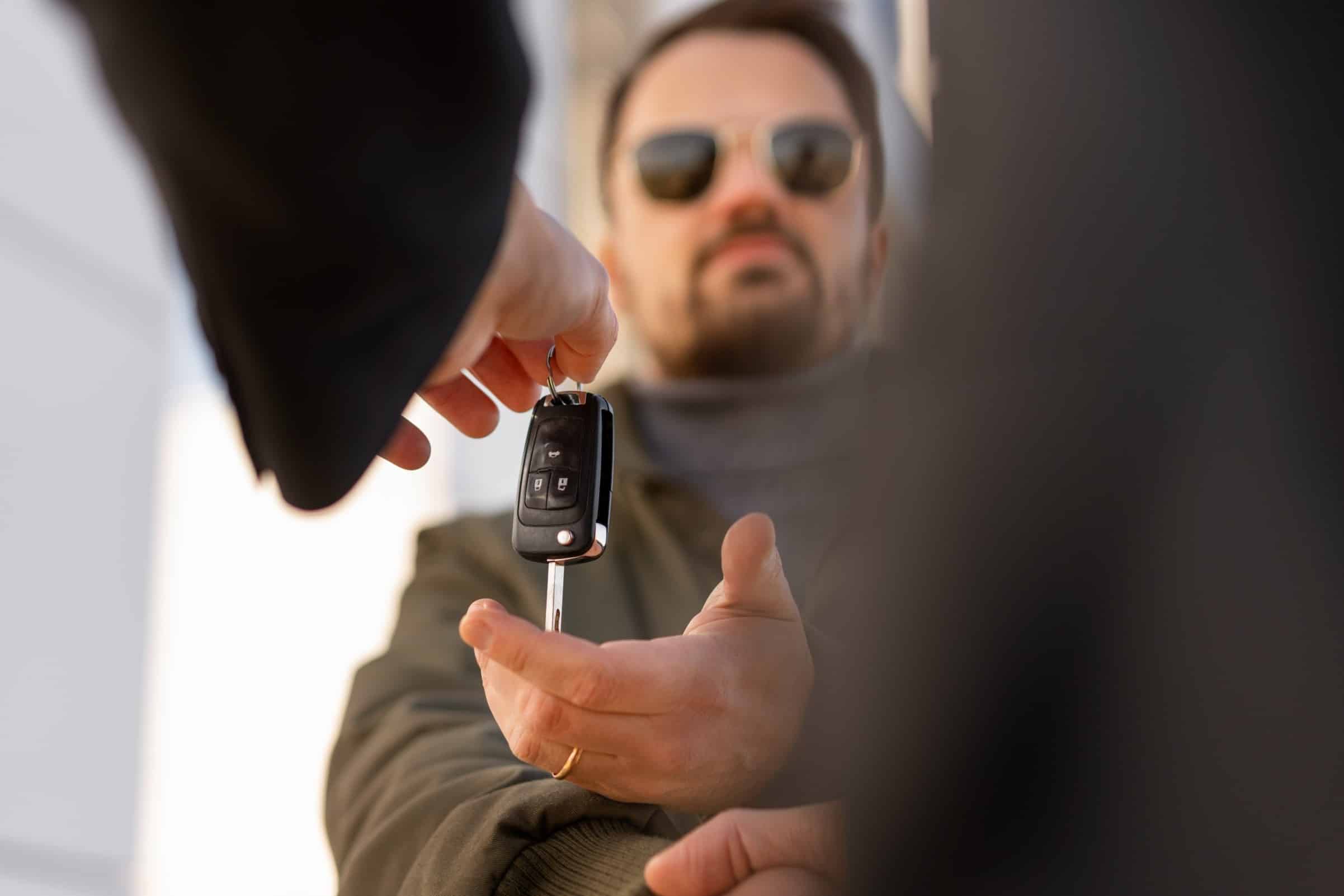
Holiday season fraud isn’t just bad luck—it’s predictable, preventable, and expensive if you’re not ready. Across the United States and Canada, rental demand spikes as travelers head home, international visitors land, and families gear up for winter road trips. But here’s the thing: higher volume creates perfect cover for fraudsters. Rushed staff, unfamiliar faces, and that flood of online bookings? That’s when identity theft, fake reservations, chargeback scams, and vehicle theft hit hardest. If you’re running rentals—whether you’re a local shop or managing airport operations—this streamlined guide will keep you ahead of the scammers during your busiest weeks.
Verify Identity Carefully, Even When It Is Busy
Fraud starts with fake IDs, and fraudsters know exactly when you’re most vulnerable—when your lobby’s packed and your team’s moving fast. During holiday rushes, that “quick glance” at a driver’s license becomes expensive. Your staff needs to actually inspect licenses, use scanning tools when you’ve got them, and make sure names match across reservations and payment methods. Something feels wrong? Don’t ignore it. Ask for secondary ID, proof of address, or travel confirmation—whatever it takes to avoid a $30,000 lesson later. Airport operators especially need to dig deeper with international travelers: verify those passports, cross-check flight details, because nothing says “rushed fraud attempt” like someone sprinting through your process while everyone else is in vacation mode.
Strengthen Payment and Card Security
Payment fraud doesn’t take holidays off—it actually gets worse. You can cut your risk significantly by requiring a chip and PIN, verifying billing addresses, and steering clear of prepaid cards for premium vehicles or last-minute bookings. Here’s what really matters: keeping rock-solid digital records. Signed agreements, photos, GPS data, mileage logs—this isn’t busywork, it’s your evidence when disputes hit. Airport locations face extra heat with international cards, so those additional verification steps aren’t optional—they’re your early warning system for suspicious transactions.
Use Telematics and Real Time Vehicle Tracking
GPS and telematics aren’t just nice-to-have during holidays—they’re essential. You need to know where your vehicles are, spot weird driving patterns, and confirm actual mileage and routes. Real-time data doesn’t just prevent theft; it speeds up recovery when renters decide to extend their “vacation” without asking. For airport fleets, this protection becomes critical when customers immediately disappear into long-distance trips right after pickup.
Rely on Digital Contracts and Accurate Vehicle Documentation
Digital agreements and photo-based inspections will save you from damage claim nightmares, mileage disputes, and unauthorized use accusations. Time-stamped, location-stamped photos create an unbeatable paper trail for every rental. Photograph everything—all vehicle sides, interior, dashboard—before and after each rental. No shortcuts. Airport locations especially benefit here since vehicles flip faster and damage disputes multiply with volume. Think of documentation as your insurance policy against “he said, she said” arguments.
Watch for Suspicious Booking or Customer Behavior
Holiday fraud follows patterns, and recognizing them early saves serious money. Watch for last-minute luxury bookings, contact info that doesn’t match, multiple failed payment attempts, or customers who dodge verification entirely. At airports, travelers without luggage, people rushing for the most expensive vehicle, or anyone who seems too eager to skip normal procedures—these are your red flags. Train your team to slow down when something feels off and escalate questionable situations immediately. Trust that gut feeling.
Train Staff Ahead of the Holiday Rush
Your team is your strongest fraud defense, but only if they know what to look for. Before peak season hits, walk through real fraud examples, refresh ID verification procedures, and review vehicle inspection protocols. Don’t just hand out a manual—actually practice scenarios. Airport locations need this even more since staff turnover and language barriers add complexity. Keep training guides short, clear, and specific to your environment. When your team knows the game, fraudsters lose.
Secure Online Booking Channels
With holiday bookings shifting online, digital fraud gets trickier to catch. You need fraud scoring tools, captcha filters, and alerts for sketchy activity—mismatched booking locations, throwaway email accounts, suspicious IP addresses. Monitor online behavior patterns before fraudulent reservations reach your counter. Think of your online channels as the first line of defense, not just a booking convenience.
Holiday Fraud Prevention Checklist (Simplified Version)
You can copy and paste this into a PDF, staff handbook, or onboarding document.
Identity and Customer Verification
• Confirm ID details match the reservation and credit card
• Use secondary ID or passport checks when needed
• Verify travel itineraries for airport renters
Payment and Transaction Security
• Use chip and PIN and AVS address checks
• Avoid prepaid cards for high risk reservations
• Keep digital records of contracts, photos, and payments
Vehicle Safety and Documentation
• Take clear photos at pickup and return
• Confirm GPS and telematics are active
• Track mileage and fuel accurately
Booking and Customer Behavior
• Be cautious with last minute luxury bookings
• Watch for mismatched emails or phone numbers
• Escalate repeated failed payment attempts
Operational Readiness
• Train staff on holiday fraud trends
• Keep clear escalation procedures
• Document all suspicious interactions

